Comfort, made personal
Choosing a Throw for Comfort in Every Season
A throw is one of those small home comforts that can make a room feel instantly more inviting. Draped over a sofa, folded at the foot of a bed or kept close to a favorite chair, it offers an adaptable layer without the commitment of changing all your bedding. The right choice depends on more than color: fiber, weave, weight, size and care instructions all shape how a throw feels and fits into daily life.
Think of the best throw as a practical companion to your routines. It should be warm enough when the room feels chilly, comfortable against the skin, and easy enough to care for that you actually reach for it. With a little attention to those details, one well-chosen textile can work across seasons and spaces.
Start with where—and how—you’ll use it
Before comparing cotton throws, wool throws or other fibers, picture the moments when you expect to use yours. A light layer for a sunlit reading chair has different needs from a substantial blanket for a cool bedroom. A throw that travels from sofa to patio may need to be washable and forgiving; one reserved for a neatly made bed might prioritize drape and texture.
Consider whether the throw is mainly decorative, mainly functional, or expected to do both. For a decorative accent, a loose, graceful drape and a color that works with existing furnishings may be the priority. For everyday warmth, feel and coverage matter more. If several people will share it, generous dimensions and easy care can make a noticeable difference.
- For a sofa: Look for a size that can cover your lap comfortably without dragging on the floor.
- For a bed: Choose dimensions that create the look you want at the foot, and check that the fabric drapes naturally over the bedding.
- For frequent use: Prioritize durable construction and care instructions that match your laundry routine.
- For changing temperatures: Consider a breathable, midweight textile that layers easily rather than one designed only for deep winter.
Fiber sets the mood—and the maintenance
Fiber is a useful first filter because it affects a throw’s hand, warmth, breathability and upkeep. It does not tell the whole story: weave, finish and fabric weight matter too. Still, understanding the basic differences makes a throw buying guide much easier to navigate.
Cotton: familiar, breathable and flexible
Cotton is a versatile choice for everyday layering. Many cotton throws feel comfortable across a broad range of temperatures, and their relatively relaxed character works in living rooms as naturally as it does in bedrooms. Depending on the weave and finish, cotton can feel crisp and light, textured and substantial, or brushed and especially soft.
Care varies from one textile to another, so check the label rather than assuming all cotton is machine washable in the same way. Some pieces call for cold water, a gentle cycle or low-heat drying. Following those directions helps protect the fabric’s surface, color and shape. For households that use a throw daily, a clearly stated, manageable care routine can be just as important as a soft first impression.
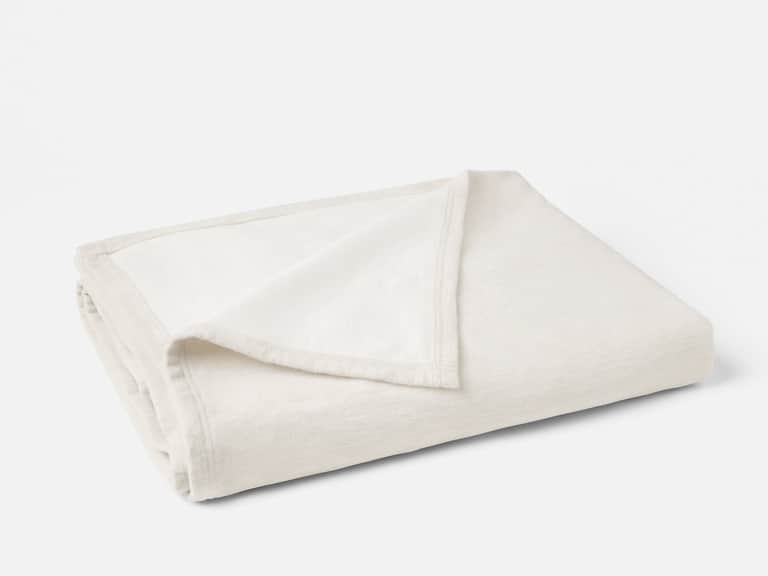
A recycled-cotton option can be appealing to readers who want to consider material use as part of their decision. The Full Circle Recycled Cotton Blanket combines recycled cotton with organic cotton and has a brushed finish. Its cold-wash and low-tumble-dry instructions offer a straightforward care framework, though its size and construction should be checked against your intended use as a sofa or bed layer.
Wool: warmth with texture
Wool throws can bring a distinct sense of warmth, making them useful when a room feels cool or when you want a more insulating layer. Their feel depends on the type of wool, the yarn, the finish and the weave. Some wool textiles are smooth and fine; others have a more pronounced, tactile surface. If you are sensitive to texture, pay attention to how the fabric feels against bare skin, not just how it looks folded on a chair.
Wool care also deserves a close look. Some wool blankets are designed for specialized cleaning rather than routine machine washing, while others may have different instructions. A wool throw that is lovely in theory may not be the most convenient choice if it will need frequent cleaning. Make the care commitment part of the decision from the beginning.
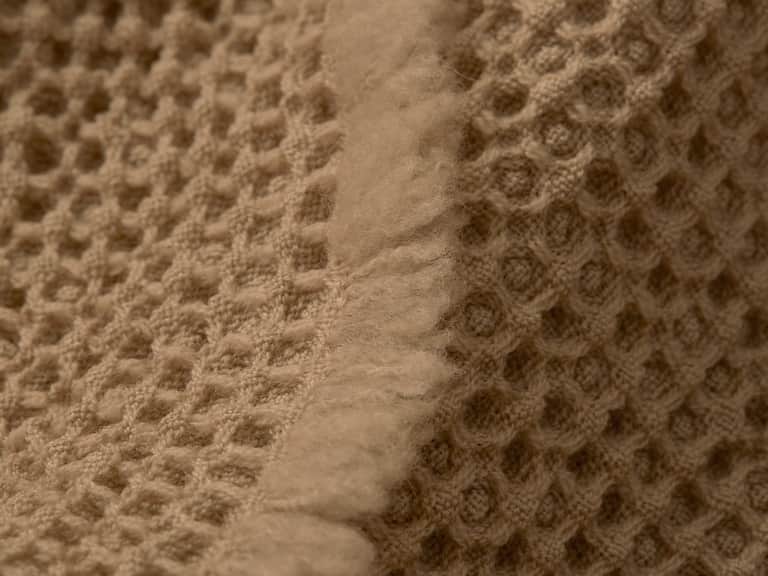
The Nid Blanket is made from wool and uses a waffle weave, with a stated weight of 300 grams per square metre. Its description positions it as a warm, light layer for mid-season use. That combination may suit someone looking for texture and warmth without choosing a dense winter covering; review the current care information before deciding whether it fits your household’s routine.
Alpaca and other specialty fibers
Specialty fibers can offer a different balance of softness, warmth and drape. Alpaca, for example, is used in blankets and throws that are described as warm while remaining relatively light. But fiber names alone cannot guarantee a particular feel or level of comfort. Construction, fiber quality and individual preference all play a part.
Specialty materials may also call for more careful upkeep. If a label recommends dry cleaning, consider whether you are comfortable maintaining the piece that way. The practical question is not whether a fiber sounds luxurious; it is whether its texture, warmth and care needs make sense for the way you live.
Weave changes how a throw feels
Two textiles made from the same fiber can feel remarkably different. The way yarns are arranged and finished changes surface texture, flexibility, airflow and drape. That is why a close look at construction can be more informative than a fiber label on its own.
A waffle weave creates raised cells and a dimensional surface. Depending on the textile, that texture can give a throw a more open, structured appearance. A plain or twill weave may look smoother and fall in a more familiar, fluid way. Knitted and boucle constructions tend to bring visible texture and a more relaxed character, while brushed finishes add a soft surface that may feel particularly inviting against the skin.
Weave can influence how a throw behaves in a room as well as how it feels in your hands. A textured throw can add visual interest to a simple sofa, while a smoother, quieter fabric may complement patterned bedding. Neither is automatically better. If you want a textile that blends into a room, restrained texture and color may be the answer. If you want the throw to act as a focal detail, a noticeable weave can do more of the styling work.
Choose weight for the room, not the calendar alone
It is tempting to think of throws in strict seasonal categories: light for summer and heavy for winter. In real homes, comfort is shaped by heating, ventilation, sunlight, personal preference and what you are wearing. A lightweight throw may be welcome in a cool room in July, while a breathable cotton layer can still be useful in winter when paired with warmer bedding.
Instead of choosing by season name, ask how much warmth you actually want. A light throw is often easy to fold, move and layer. A midweight option offers a balance that can suit changing indoor temperatures. A heavier textile may feel especially comforting in colder weather, but it can be less flexible if the room warms up or if you prefer a less substantial cover.
Weight also influences how a throw hangs. A light fabric may fall softly and feel easy to carry, while a more substantial textile can sit securely over the back of a sofa or at the end of a bed. Neither quality is inherently superior. The ideal weight is the one that feels pleasant in use and behaves the way you want in your space.
Get the dimensions right
A throw should be large enough to serve its purpose but proportionate to the furniture it lives on. If it is meant for one person to pull over their legs, a compact size may be easy to manage. For shared lounging or a decorative layer across a bed, a larger piece can be more useful. Always check the listed measurements, since the word “throw” does not describe one universal size.
Think about both coverage and storage. A generous blanket can offer more flexibility, but it may take up more room in a basket or cupboard. A smaller one is easier to fold and carry, yet may not provide enough coverage for your favorite chair. If possible, use a tape measure to visualize the dimensions on the furniture before choosing.
For styling, a throw need not be folded into a perfect rectangle. A neat fold at the foot of a bed gives a more tailored effect; a relaxed drape across a sofa arm feels casual and accessible. The size should support the look you like without trailing where it could become an inconvenience.
Care instructions are part of the buying decision
Textile care can determine whether a throw remains a regular part of your home or becomes an item you handle cautiously. Read the instructions before choosing, particularly if the throw will be used around pets, children, food or outdoor spaces. A machine-washable blanket may suit frequent use better than a delicate textile that requires specialist care. On the other hand, a more involved routine may feel worthwhile for a throw that is used occasionally and valued for its particular material or finish.
Follow the manufacturer’s directions for temperature, cycle, drying and any restrictions. High heat, bleach or fabric softener can affect some fibers and finishes, so avoid substituting a familiar laundry routine for the stated instructions. Wash similar colors together when the care guidance recommends it, and allow the textile to dry as directed before folding or storing.
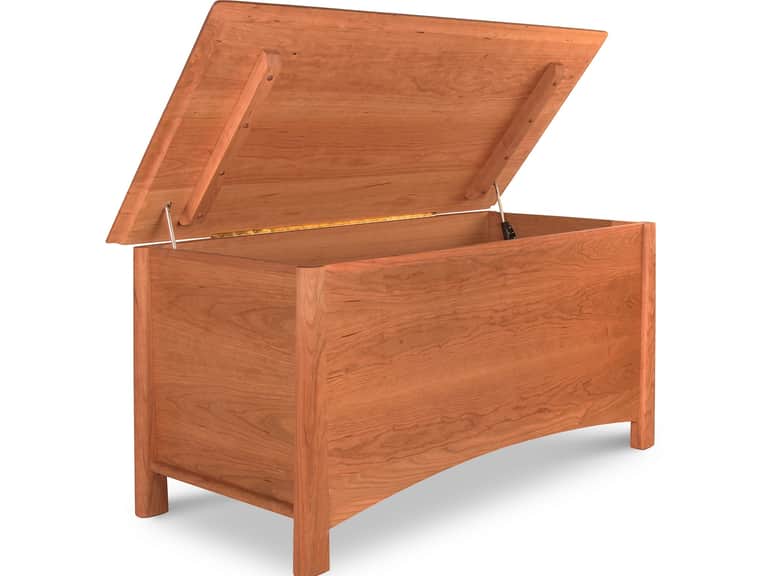
Good storage matters, too. When a throw is out of regular rotation, make sure it is clean and completely dry before putting it away. Store it in a dry place and avoid compressing delicate textiles for long periods. If the throw has a specific seasonal role, keeping it accessible when needed makes it more likely to be used and enjoyed.
Think about color, texture and the room around it
A throw is a relatively simple way to bring a new accent into a room, but the most versatile choice is usually one that feels at home with what you already own. Neutral shades can sit comfortably beside changing cushions, bedding or wall colors. A richer or brighter color can add a point of contrast, especially in a room built around a quieter palette.
Texture is another way to make a difference without adding visual clutter. A subtle weave gives a plain sofa depth; a smooth fabric can provide a calm counterpoint to patterned cushions. If the room already has several competing patterns, a solid color or restrained surface may help everything feel more cohesive. If the room is simple, a textured throw can add character without requiring a complete redesign.
Consider how the textile looks in both its resting place and its everyday state. A throw that looks beautiful carefully folded may be less practical if it becomes untidy quickly or is uncomfortable to use. The most welcoming rooms feel lived in, not staged. Choose a piece that remains appealing when it is actually doing its job.
A quick throw-buying checklist
When a few options all look promising, return to the details that matter after the first impression. This short checklist can help bring the choice into focus:
- Purpose: Is the throw for warmth, decoration, daily lounging or a combination?
- Fiber: Does the material feel right against your skin and suit the temperature you expect?
- Weave and finish: Do you prefer a smooth drape, an open texture, a waffle surface or a brushed hand?
- Weight: Will it be comfortable on its own and easy to layer when temperatures change?
- Dimensions: Does it offer enough coverage while fitting your furniture and storage space?
- Care: Can you follow the washing or cleaning instructions as part of your regular routine?
- Room fit: Does the color and texture work with your existing bedding or furniture?
One useful layer, many comfortable moments
The best throw is not necessarily the thickest, softest or most elaborate one. It is the one that meets the moment: easy to reach for on a cool evening, pleasant to keep nearby during a quiet afternoon and attractive enough to leave in view. Cotton throws can offer flexible everyday layering, while wool and other warm fibers may suit those seeking more insulation and a different tactile experience. In every case, weave, weight and care instructions help determine whether the textile feels right in real life.
Give equal attention to the practical details and the feeling you want to create. Check the dimensions, imagine the throw in its intended spot and be honest about how much care you are willing to give it. When those choices align, a simple layer can make a bedroom or living room feel more inviting through changing weather—without making the space feel crowded.