Nursery & Sleep Safety
Naturepedic Nursery Textiles: What Caregivers Should Know About Fabric and Sleep Safety
Soft cotton, airy-looking weaves and easy-care fabrics can make nursery textiles feel reassuringly simple. But fabric comfort and infant sleep safety are separate questions. Understanding what a textile can offer—and what it cannot—helps caregivers create a cozy nursery without adding loose items to a baby’s sleep space.
Choosing bedding for a new baby can feel like a small decision with a surprisingly long checklist. Caregivers weigh softness against durability, warmth against breathability, and attractive textures against the realities of frequent laundry. Organic cotton and open or textured weaves often come up in those conversations, including in discussions of Naturepedic nursery textiles. These features can inform comfort and care, but they do not determine whether a blanket belongs in an infant’s crib.
The most important distinction is straightforward: a textile’s material is not a safe-sleep plan. A soft, breathable blanket can still be loose bedding, and a fabric marketed for nursery use does not change the recommendations for an infant’s sleep space. For sleep, caregivers should follow current guidance from trusted pediatric and public-health authorities. In general, that means placing a baby on their back on a firm, flat, separate sleep surface, with only a fitted sheet and no loose blankets or other soft items.
That guidance does not make fabric choices irrelevant. The right textile can be pleasant for supervised cuddling, playtime, or use around the home, and a fitted sheet needs to be correctly sized and maintained. The key is to match each item to the right purpose: compare fibers and construction for comfort and upkeep, while keeping the sleep surface clear.
Start with the sleep surface, not the blanket
When planning an infant’s sleep area, begin with the surface and setup rather than selecting a decorative layer. Current safe-sleep recommendations from organizations such as the American Academy of Pediatrics call for a baby to sleep on their back, on a firm, flat, non-inclined surface designed for infant sleep. A properly fitted sheet is the bedding that belongs on that surface. Pillows, quilts, comforters, loose blankets, soft toys, and other soft objects should be kept out of the sleep space.
This applies to naps as well as nighttime sleep. It also applies regardless of whether a blanket is made from organic cotton, muslin, wool, or another fiber. Descriptions such as “lightweight,” “breathable,” “natural,” or “temperature regulating” describe textile characteristics; they do not establish that loose bedding is safe for an infant to sleep with. A product’s nursery styling or intended age range likewise should not be treated as a substitute for safe-sleep recommendations.
Caregivers can help keep the sleep setup consistent by checking the crib or bassinet before each sleep period. The mattress should be firm and flat, the sheet should fit securely, and the surrounding area should remain free of loose items. If a baby falls asleep during supervised cuddling or play, move them to an appropriate sleep surface as soon as practical, placing them on their back. If you have questions about a particular sleep product or your baby’s circumstances, ask your pediatric clinician.
Room sharing—having the baby sleep in the caregiver’s room on a separate infant sleep surface—is different from sharing an adult bed. For individualized advice, particularly if a baby was born prematurely or has medical needs, consult a healthcare professional rather than relying on textile claims or general product descriptions.
What organic cotton can—and cannot—tell you
Organic cotton is a fiber choice, not a safety guarantee for every use. Depending on the product and its certification, the term may describe how cotton was grown or how parts of the textile supply chain were assessed. Caregivers who value organic materials can look for clear information about fiber content and relevant certifications, then review what the certification actually covers. Labels and marketing language can differ, so specific details matter more than broad impressions.
Cotton is commonly valued for its familiar hand feel and ability to be woven into a range of fabrics, from smooth percale to textured waffle or gauzy muslin. The resulting feel depends on more than the fiber alone: yarn, weave, finishing, fabric weight, and laundering all play a role. Two cotton blankets can feel quite different, and “organic” by itself does not say whether a textile is thin, plush, warm, or quick to dry.
Organic status also does not mean a fabric is automatically hypoallergenic or suitable for every sensitive skin concern. Individual babies can react to fibers, dyes, finishes, detergents, or residue. If a caregiver notices persistent irritation, it is sensible to stop using the suspected item and seek medical guidance. Choosing a plainly described textile and washing it according to its care label can help make routine use more predictable, but it cannot diagnose or prevent every skin issue.
Naturepedic’s organic cotton nursery textiles can serve as a useful example when thinking through these distinctions: fiber content and construction help describe the textile, while safe-sleep guidance determines what belongs in the crib. A product may be soft and thoughtfully made and still be intended for supervised use or for a setting outside an infant’s sleep surface. Read the item’s directions and use it according to current pediatric recommendations.
Breathable fabric is a comfort feature, not a safety shortcut
“Breathable” is an appealing word in nursery shopping because caregivers naturally want a baby to be comfortable. In textiles, it often refers to how readily air and moisture can move through a fabric. Weave, thickness, fiber, and finishing can all affect that experience. An open weave may feel airy in the hand, while a denser or loftier construction may feel warmer or more substantial.
But a fabric’s air movement should not be confused with protection from sleep-related hazards. A breathable blanket remains a blanket if it is loose in the crib. It should not be used to justify covering an infant during sleep or to replace a fitted sheet. Similarly, a label that describes a fabric as cooling or temperature regulating does not override the recommendation to keep the sleep area free of loose bedding.
Caregivers can instead think about comfort in the broader sleep environment. Dress a baby appropriately for the room and avoid overheating. Guidance commonly advises watching for signs such as sweating, a flushed appearance, or a chest that feels unusually hot, while remembering that babies’ hands and feet may naturally feel cooler. When in doubt, a clinician can help interpret concerns about temperature, clothing, or a baby’s health.
For awake, supervised time, breathable cotton textiles can be useful for a range of ordinary household purposes. A caregiver may use a blanket for cuddling while holding the baby or place one on the floor for supervised play, provided the surface and activity are appropriate and an adult remains attentive. These are not the same as leaving a blanket with a baby for sleep. Keeping those situations distinct makes safe choices easier to remember.
Weave and texture: useful clues for everyday care
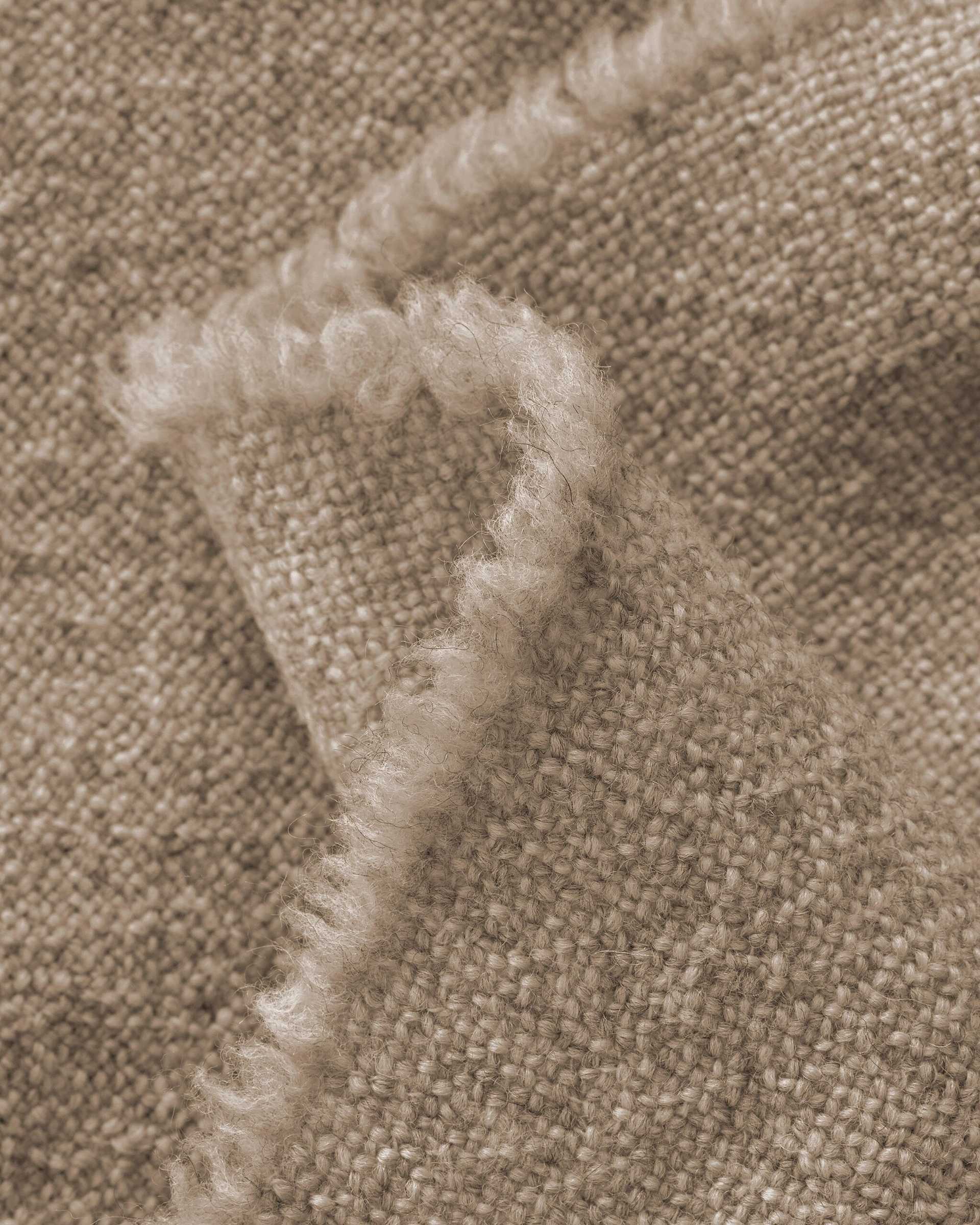
Weave shapes the appearance, drape, and feel of nursery textiles. A waffle weave has a raised, grid-like surface; muslin is often associated with a light, airy hand; and a denser woven fabric can feel smoother or more substantial. Knit and chenille constructions may feel softer or plush, while a textured surface can add visual depth. None of these descriptions alone reveals how warm a textile will feel in every room or how it will perform after repeated washing.
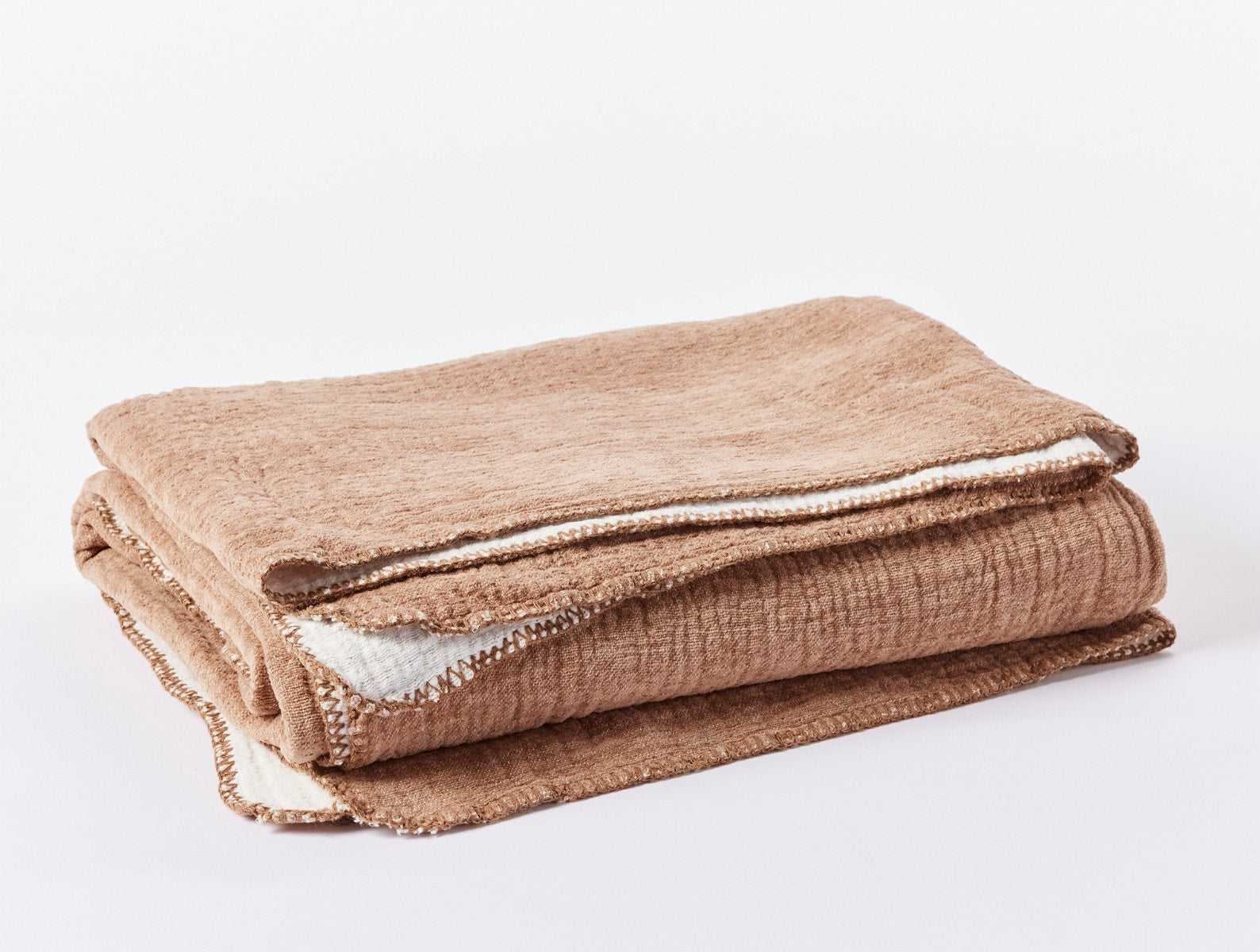
For caregivers, construction details are most useful when considered alongside the intended use. A lightweight textile may be easier to fold into a diaper bag or use during a supervised outing. A thicker fabric may take longer to dry. A textured weave can be attractive but may need gentler handling to preserve its finish. A well-finished edge can help a blanket withstand ordinary use, but it does not make the blanket appropriate as loose crib bedding.
Before buying, check the dimensions and consider where the item will actually be used. Nursery blankets vary in size, and a large throw designed for a bed or sofa is not interchangeable with a small textile intended for supervised use. Avoid assuming that a product belongs in a crib simply because it is sold in a nursery category. Read the manufacturer’s intended-use information, then apply safe-sleep recommendations independently.
A practical laundering routine for nursery textiles
Babies bring frequent washing into a household routine, so care instructions deserve attention before the first use. Check the sewn-in label or manufacturer’s guidance for water temperature, cycle, detergent, drying method, and any restrictions such as “do not bleach” or “dry clean only.” Organic cotton does not automatically require a special detergent, and a gentle product is not necessarily right for every fabric. The care label is the best starting point for protecting the textile’s shape and finish.
For a washable item, follow the instructions rather than relying on a general rule for all cotton. Some fabrics tolerate warmer water; others are best washed cold on a gentle cycle. High heat can shrink or stress certain textiles, while overloading the machine may prevent thorough rinsing. If a textile is new, washing it before use is a reasonable household practice when the manufacturer permits it. Use detergent as directed and ensure the item is fully dry before putting it away.
Regularly inspect nursery textiles for loose threads, damaged seams, unraveling edges, or worn areas. Discontinue use if an item becomes damaged in a way that could create a hazard, and keep decorative or loose textiles out of the infant sleep space. Store clean items in a dry place. Practical upkeep is not only about preserving softness; it also helps caregivers notice when a familiar item needs repair or replacement.
For babies with eczema, allergies, or other skin concerns, ask a healthcare professional whether particular laundering choices are advisable. Avoid making medical claims based solely on a fabric label. If irritation appears after using a textile or detergent, consider the timing and discuss persistent symptoms with a clinician.
Keep supervised use separate from infant sleep
Blankets can have a place in family life without becoming part of a baby’s sleep setup. During awake, closely supervised cuddling, a caregiver may use a blanket as a layer over their own lap or for warmth while holding the baby. For floor play, a textile may be used beneath a baby when the setting is safe and an adult is present and engaged. Once the baby is going to sleep, however, remove loose blankets and transfer them to the recommended sleep surface if needed.
This distinction is especially important because adults may be tired, routines can change, and a comfortable moment can turn into an unplanned nap. Keep the baby’s sleep area ready before settling down, and avoid relying on a blanket to keep an infant warm in the crib. Wearable sleep clothing designed for the purpose may be an option for some families, but caregivers should select it according to the manufacturer’s instructions and pediatric guidance, ensuring it is the appropriate size and used as directed.
Swaddling also requires specific care. If caregivers choose to swaddle, they should follow current pediatric guidance, use an appropriate method, and stop once the baby shows signs of attempting to roll. Weighted swaddles and weighted sleep products are not recommended for infants. A clinician can offer advice based on the child’s age, development, and medical needs. A loose blanket should never be used as an improvised swaddle during sleep.
A simple checklist for choosing nursery textiles
When comparing baby bedding and textiles, separate the shopping questions from the sleep-safety questions. A short checklist can keep the decision grounded in what the product information can genuinely tell you:
- Identify the purpose. Is the textile for supervised cuddling or play, household layering, or a fitted sleep surface? Do not treat a loose blanket as crib bedding.
- Read the fiber description. Look for clear percentages and material names rather than relying on broad words such as “natural” or “gentle.”
- Consider construction. Weave, thickness, finishing, and dimensions can help explain texture and practical handling, but they do not establish sleep safety.
- Check care requirements. Confirm whether the item is machine washable, what cycle and temperature are recommended, and how it should be dried.
- Review certifications carefully. Confirm which product or supply-chain attributes a certification addresses; do not assume it certifies the item for every use.
- Inspect the item over time. Look for wear, loose threads, or damage, and follow the manufacturer’s directions.
- Keep the sleep space clear. For infant sleep, follow current pediatric recommendations for a firm, flat, separate surface with a fitted sheet and no loose bedding.
This approach lets caregivers appreciate the qualities of organic cotton nursery textiles without asking them to do more than they can. Softness, airflow, ease of washing, and responsible material information can all help describe a product. None replaces a safe sleep environment.
The bottom line on fabric and sleep safety
Nursery textiles are part of a baby’s daily world, from laundry baskets and stroller bags to supervised cuddles at home. Organic cotton, breathable weaves, and thoughtful construction can influence feel and upkeep, making them useful details to compare. Naturepedic and other nursery-textile names may appear in conversations about these features, but a brand or fiber choice should never be mistaken for pediatric sleep guidance.
For an infant’s sleep, keep the priorities clear: use a firm, flat, separate sleep surface; place the baby on their back; use a properly fitted sheet; and leave loose blankets and soft objects out of the sleep area. Save blankets for appropriate supervised use, follow care labels, and seek professional advice when a baby’s health or sleep needs call for individualized guidance. Comfort matters—but the safest nursery begins with a clear, correctly prepared sleep space.