Bedding guide
DownTown Company Silk Blankets: Understanding Breathability, Warmth, and Care
A silk blanket can look delicate, feel wonderfully light, and still make a meaningful difference to the comfort of a bed. The secret is not simply softness: fiber structure, construction, layering, and care all help determine how a silk layer performs from one season to the next.
Some bedding announces itself with weight: a thick quilt folded at the foot of the bed, a lofty duvet pulled up against a cold night, a wool throw that makes a favorite chair feel even more inviting. Silk takes a quieter approach. It brings a smooth hand, a gentle sheen, and an airy layer that can contribute warmth without making the bed feel heavily covered.
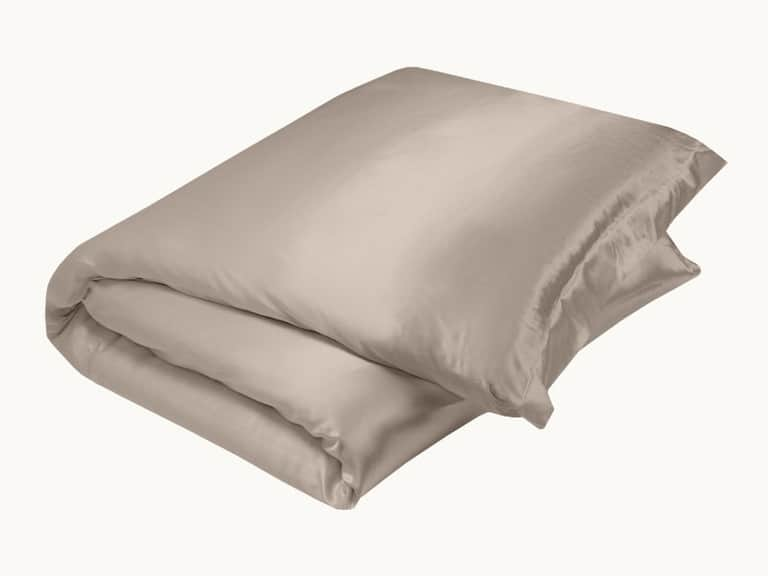
That combination makes silk appealing to people who want flexible bedding rather than one fixed arrangement for every month of the year. It can sit above a sheet, beneath a duvet, or folded over a comforter when a room feels cool. The DownTown Company Silk Blanket is one example of this kind of versatile layer: made from 100% silk, finished with satin binding, and offered in Queen and King sizes.
Before choosing a silk blanket, it helps to understand what “breathable” and “warm” mean in practice. Those qualities are not opposites. Nor does a material label alone tell the whole story. Weave, thickness, room temperature, other bedding, personal comfort, and the way a blanket is maintained all influence how it feels in use.
Why a lightweight blanket can still feel warm
Warmth is not only a matter of putting more weight on the bed. A textile can help retain warmth by holding still air within or around its fibers. That layer of air can slow the movement of heat away from the body, creating a more comfortable microclimate under the bedding. At the same time, a blanket that feels light may be easier to adjust, fold, or remove when the temperature changes.
Silk is a natural protein fiber with a smooth surface and a fine structure. In bedding, it is often valued for its soft feel and its ability to work as a relatively light layer. A silk blanket may provide a gentle insulating effect without the substantial bulk associated with a dense winter covering. That distinction matters if you like a bed that feels covered but not weighed down.
It is useful to keep expectations grounded, however. A silk blanket does not promise the same level of insulation as a thick wool blanket or a down-filled duvet, and its performance depends on its particular construction. A lighter blanket may be enough as an extra layer in a mild bedroom, but in a cold room it may be more comfortable combined with other bedding. Personal temperature preferences also vary: someone who runs warm may appreciate a lighter layer, while someone who feels cold easily may want to keep a duvet or quilt in the arrangement.
The DownTown Company Silk Blanket is described as a lightweight, all-season layer. Its 100% silk construction is intended to offer warmth while allowing excess heat and moisture to dissipate. That description gives a useful starting point, but the most reliable guide is still your own setting: climate, heating, mattress, sleepwear, and the other layers on the bed.
Breathability is about comfort, not a guarantee
When bedding is described as breathable, the term usually points to how air and moisture can move through or around the fabric. It does not mean that a blanket will keep everyone cool, nor does it mean that all silk textiles behave identically. Fiber quality, fabric density, finishing, and the number of layers between the sleeper and the room all play a part.
In everyday use, breathability can matter most when the room temperature shifts or when a sleeper tends to feel too warm under heavier covers. A lighter, more breathable layer can feel less confining than a dense textile, and it may be easier to fold back or reposition during the night. Silk’s smooth feel also gives it a distinctive character compared with textured cotton, brushed wool, or fluffy fleece.
Comfort is a personal experience, so it is better to think in terms of fit than promises. If you often wake up feeling overheated, try changing one layer at a time rather than replacing the entire bed setup. A breathable blanket may be useful, but the duvet, mattress protector, sheets, room humidity, and sleepwear can also affect how warm you feel. If you are sensitive to temperature changes, a flexible arrangement can be more useful than relying on a single blanket to solve every comfort issue.
Silk is sometimes described as temperature regulating. In practical terms, this refers to the way the textile may feel comfortable across different conditions, not an ability to control body temperature independently. A blanket does not actively cool or heat a sleeper. Rather, its fiber and construction influence how warmth and moisture are experienced within the bedding system.
Drape, surface, and the details that shape the experience
The way a blanket falls over the bed can be as important to its everyday appeal as its warmth. Drape describes how fabric hangs and settles. A fluid drape can follow the contours of a bed more easily than a stiff or very heavy covering, giving the top layer a relaxed appearance. Silk’s smooth, lustrous surface adds a subtle visual polish without requiring a pattern or strong color.
The DownTown Company Silk Blanket is described as having a gentle lustre and a natural color. It is made without dyes or bleach, according to the product details, and finished with satin binding. The binding frames the blanket’s edges and gives them a more defined finish. In practical terms, edge finishing also matters because it helps a blanket retain a neat outline as it is handled and folded. Like any textile, its longevity depends on following appropriate care guidance and treating it gently.
Color and finish can influence how easily the blanket fits into an existing bedroom. A natural shade can sit comfortably beside white, cream, wood tones, and other understated colors. It can also soften a more graphic combination of patterned sheets or a darker duvet. Because silk has a natural sheen, it may look different in morning light than it does in a softly lit room. That changing appearance is part of the material’s character, but it is worth considering if you prefer a matte, uniform surface.
Silk bedding is often chosen for its smooth hand, but a pleasing feel does not by itself indicate the precise level of warmth, durability, or care required. Construction details are worth checking before you commit. Ask whether the blanket is pure silk or a blend, whether it is filled or woven, what the edge finish is, what sizes are available, and what cleaning instructions apply. These specifics help set realistic expectations and make comparisons between textiles more meaningful.
How to layer a silk blanket through the year
One of the simplest ways to use a silk blanket is to treat it as a flexible middle layer. In a warmer season, it may be comfortable over a sheet on its own, depending on your room and personal preference. In a cooler season, it can sit beneath a duvet or quilt, adding another layer without requiring a major change to the bed’s appearance.
- For mild nights: Place the blanket over a sheet and keep a heavier cover nearby if temperatures fall.
- For cooler weather: Layer it between the sheet and duvet, or fold it across the lower half of the bed so it can be pulled up as needed.
- For a changeable room: Keep the blanket easy to reach and adjust one layer at a time rather than adding several at once.
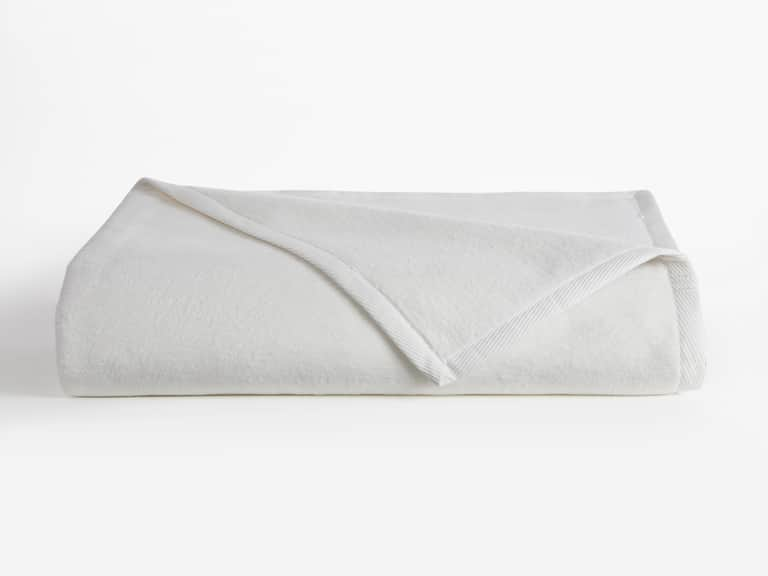
- For a finished daytime bed: Fold it neatly over the duvet or at the foot of the bed to create a softer, more considered top layer.
Layer order can change how a textile feels. When silk lies close to the sleeper, its smooth surface is more noticeable. When it sits beneath another cover, its role is more about adding a light insulating layer. There is no single correct arrangement: the best setup is the one that feels comfortable and can be adjusted easily.
Size is also part of the layering decision. The DownTown Company blanket is available in Queen and King sizes. Its stated dimensions are 96 by 93 inches for Queen and 114 by 93 inches for King. A blanket that provides sufficient coverage for your mattress and preferred drape is less likely to feel awkward when layered. Check your bed dimensions and how far you want the textile to fall over the sides, particularly if you use a deep mattress or a substantial duvet.
Silk blanket care: preserve the texture with gentle handling
Natural silk can reward careful handling, but it is not the best match for every household routine. The most important care rule is to follow the instructions supplied for the particular blanket. Different silk products may have different construction and finishing, so advice intended for a silk sheet, a silk duvet cover, or a different blanket should not automatically be applied to this one.
The DownTown Company Silk Blanket’s product information emphasizes its material and finish but does not specify a detailed washing method. When a label or manufacturer guidance is not clear, avoid guessing. Check the care label or ask the retailer or manufacturer for the recommended cleaning method before washing. This is particularly important for silk, since water, heat, detergent, friction, or an unsuitable drying method can affect the fiber or change the surface.
In the meantime, a few low-risk habits can help keep a silk layer in good condition:
- Air it out when practical. Allow the blanket to rest in a clean, dry, shaded place rather than leaving it compressed on the bed for long periods.
- Handle it gently. Avoid pulling sharply at the edges or catching the fabric on jewelry, rough surfaces, or hardware.
- Store it clean and dry. If you put it away between seasons, make sure it is fully dry and protected from dust and pests.
- Address spills promptly. Blot rather than rub, and seek care guidance before using stain removers or household cleaning products.
- Keep it away from unnecessary heat. Do not assume that a hot dryer or high-temperature iron is suitable; use only methods approved for the specific blanket.
For routine care, the care label should take priority over general advice. If professional cleaning is recommended, follow that instruction. If home cleaning is allowed, use only the specified temperature, detergent, and drying method. A gentle approach is not just about preventing visible damage: preserving the smooth surface and drape is part of maintaining the qualities that make a silk blanket distinctive.
What to consider before choosing one
Silk may be a good option if you enjoy a smooth, refined surface and want a layer that feels lighter than many dense blankets. It may be less suitable if you want a robust, everyday textile that can be tossed into a standard wash without checking instructions, or if you need substantial insulation for a very cold room. The right choice depends on how the blanket will actually be used, not solely on the appeal of the fiber.
Use a short checklist to compare the practical details:
- Fiber content: Is the blanket pure silk, a silk blend, or a different material? The DownTown Company blanket is described as 100% silk.
- Construction: Is it woven, filled, quilted, or made in another way? Construction influences weight, drape, warmth, and maintenance.
- Finish: Look at the edge treatment and surface. Satin binding, for example, creates a smooth, finished border.
- Dimensions: Compare the stated measurements with your mattress and preferred coverage.
- Care requirements: Confirm the recommended cleaning method before making it part of your regular bedding rotation.
- Layering needs: Consider whether you want a stand-alone light cover or a secondary layer under a duvet.
People with material sensitivities should also evaluate the full product information rather than relying only on broad claims. The DownTown Company describes its silk blanket as naturally hypoallergenic and resistant to mold and mildew. Those attributes may matter to some shoppers, but they are not a substitute for checking your own sensitivities, the product’s complete specifications, and any guidance from a healthcare professional when relevant.
A quieter kind of year-round comfort
The appeal of a silk blanket lies in the balance it can bring to a bed: softness without a bulky feel, warmth without assuming every night is equally cold, and a smooth surface that can complement a simple or layered bedroom. Breathability is part of that picture, but it works alongside room conditions, bedding combinations, and individual comfort rather than replacing them.
The DownTown Company Silk Blanket offers a clear set of reference points: 100% silk, natural color, satin binding, no dyes or bleach, and Queen and King sizing. Its lightweight, lustrous character makes it a potential choice for someone seeking an elegant layer that can be used in different ways throughout the year. Its care requirements, however, deserve the same attention as its appearance. Confirm the recommended cleaning method, layer it according to the season, and give the fabric gentle handling.
Ultimately, a comfortable bed is rarely about one dramatic addition. It is more often the result of thoughtful layers that can be adjusted to suit the night. A silk blanket can make that arrangement feel lighter and more considered—an understated option for people who value breathable bedding, graceful drape, and softness that does not depend on heaviness.